

Lindsay Clancy and Timothy Ray Jones Jr. both killed their own children, and in both cases the central question at trial became criminal responsibility rather than identity. Lindsay’s defense said postpartum psychosis and bipolar disorder left her unable to understand or control what she was doing when Cora, Dawson, and Callan died; Timothy’s defense pointed to schizophrenia, a traumatic brain injury, heavy synthetic-marijuana use, and psychosis after the deaths of Merah, Elias, Nahtahn, Gabriel, and Abigail. But the juries responded very differently: Lindsay’s 2026 jury ultimately deadlocked 11–1 in favor of finding her not criminally responsible, while Timothy’s jury rejected his insanity defense in less than two hours and later sentenced him to death. Pasted text
Listen to the full breakdown, with my commentary, on Love and Murder: Heartbreak to Homicide.


If you’ve already listened to this episode, then let me know what you think by clicking here.
Two Parents, One Legal Question
The cases of Lindsay Clancy and Timothy Ray Jones Jr. are very different, but they eventually arrived at a remarkably similar legal question. Lindsay killed her three children, Cora, Dawson, and Callan, inside their Massachusetts home in January 2023. Timothy killed his five children, Merah, Elias, Nahtahn, Gabriel, and Abigail, in South Carolina in August 2014. Neither defense centered on denying that the parent had physically caused the children’s deaths. Instead, both trials asked whether severe mental illness made the defendant legally incapable of understanding that what they were doing was wrong or controlling their behavior.
Two Insanity Defenses, Two Very Different Jury Reactions
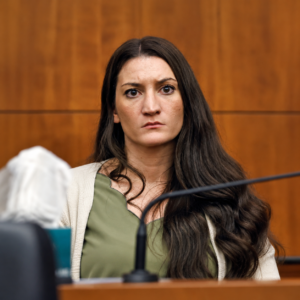
Lindsay’s defense argued that months of deteriorating mental health, numerous psychiatric medications, bipolar disorder, and postpartum psychosis culminated in a psychotic break involving a command hallucination. Prosecutors agreed that Lindsay had been seriously mentally ill but argued that her actions showed planning and an understanding of right and wrong. After 21 days of testimony from 85 witnesses, the jury ultimately deadlocked. Jurors later said the final split was 11–1 in favor of finding Lindsay not guilty by reason of insanity. Her criminal case remains unresolved following the mistrial.
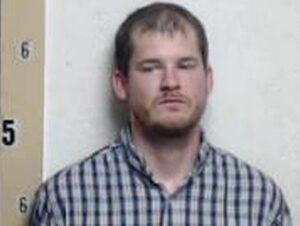
Timothy’s defense also presented extensive evidence of mental illness. Experts testified about schizophrenia, schizoaffective disorder, hallucinations, a serious frontal-lobe brain injury, a family history of schizophrenia, and heavy synthetic-marijuana use. But prosecutors emphasized a very different history, including previous abuse allegations involving the children and Timothy’s methodical behavior after their deaths. He transported their bodies through multiple states, researched ways to destroy the remains, and wrote out a disposal plan. His jury rejected the insanity defense in less than two hours, convicted him of five murders, and later unanimously recommended death.
Where Mental Illness Meets Criminal Responsibility
Putting the cases side by side creates a difficult comparison. Both defendants had experts willing to testify that serious mental illness affected their ability to understand or control their behavior. Both also had prosecutors pointing to actions before and after the killings as evidence of rational thought. But Lindsay had no history of harming her children, repeatedly sought psychiatric help, and had a husband who continued describing her as a loving mother. Timothy had years of documented concerns involving violence, neglect, and abuse, followed by extensive efforts to conceal what he had done.
The episode examines why those differences may have mattered so much when two juries were asked to decide where severe mental illness ends and criminal responsibility begins.
If you suspect child abuse, please reach out to the Childhelp National Child Abuse Hotline at 1-800-4-A-CHILD or visit childhelp.org. Your vigilance can make a difference.
Bonus:
Join the LaM Fam to get bonus episodes, case extras, and the aftershow. You’ll also help me continue being the voice of the victims and keeping this podcast listener funded.
All this starting at just $3/mo.
Join me in the Patreon today
🔻🔻🔻🔻🔻
We’re listener-supported. That means you.
When you give, you’re not just supporting the podcast, you’re helping amplify the voices of those who’ve been silenced.
Get ad-free episodes, exclusive content, bonus episodes, and access to the full LaM Files.
FAQ:
What happened to Lindsay Clancy’s three children?
In January 2023, Lindsay Clancy killed her three children, Cora, Dawson, and Callan, inside their Massachusetts home. Her defense argued that she was experiencing a severe psychiatric episode involving postpartum psychosis and a command hallucination. Prosecutors acknowledged her serious mental illness but argued that her actions demonstrated an understanding of right and wrong.
Why did Lindsay Clancy’s trial end in a mistrial?
After 21 days of testimony from 85 witnesses, the jury was unable to reach a unanimous verdict. Jurors later reported that the final vote was 11–1 in favor of finding Lindsay not guilty by reason of insanity. Because the jury could not agree, the judge declared a mistrial, leaving her criminal case unresolved.
Who was Timothy Ray Jones Jr., and what happened to his five children?
Timothy Ray Jones Jr. killed his five children—Merah, Elias, Nahtahn, Gabriel, and Abigail—in South Carolina in August 2014. His defense presented evidence of serious mental illness, including schizophrenia-related diagnoses, hallucinations, and a brain injury. However, prosecutors pointed to his previous treatment of the children and his efforts to conceal their deaths. He was convicted of five murders and sentenced to death.
Why did Timothy Ray Jones Jr.’s insanity defense fail while Lindsay Clancy’s nearly succeeded?
The juries heard different evidence about each defendant’s behavior before and after the killings. Lindsay’s defense emphasized her psychiatric treatment, deteriorating mental health, and lack of prior violence toward her children. In Timothy’s case, prosecutors highlighted previous abuse allegations and detailed efforts to conceal the murders. Although both defenses presented evidence of serious mental illness, Timothy’s jury rejected his insanity defense, while Lindsay’s jury could not reach a unanimous decision.
Does having a serious mental illness automatically qualify someone for an insanity defense?
No. A mental illness diagnosis alone does not establish legal insanity. The defense must satisfy the specific legal standard in the state where the case is tried. Generally, the central question is whether the defendant’s mental condition affected their ability to understand the nature or wrongfulness of their actions at the time of the crime. Some states also consider the ability to control one’s behavior. These cases illustrate why a psychiatric diagnosis and a finding of legal insanity are not the same thing.
Now part of the Darkcast Network. Welcome to Indie Podcasts with a Dark side. What makes one parent who kills their children legally insane while another parent with documented psychosis is still considered fully responsible? Well, in today’s episode is going to be a little bit different because I’m actually telling you two separate cases, cases that are very different in a lot of ways, but similar enough that I couldn’t stop comparing. First, I’m giving you an update on the Lindsay Clancy case. If you’ve been following this case with me, you know that we’ve been waiting for her trial and for a jury to decide whether Lindsay was legally responsible for what happened to her three children or whether her mental state at the time meant she was legally insane. Then after that, we’re going to get into the case of Timothy Ray Jones Jr. Who is a father who killed his five children and also had a documented history of serious mental illness and psychiatric psychosis. And that is why I wanted to put these two cases together, because when you hear them back to back, I think you’re going to have the same question I did. Where exactly is the line? How does the legal system look at two parents with serious mental health issues, both accused of killing their own children, and come to two very different conclusions about responsibility? So we’re going to start with the Lindsay Clancy update and everything that’s happened in her case since we last talked about her. Then we’re going to go to Timothy Ray Jones, and then when we’re done with both, I’ll give you my complete thoughts and then I definitely want to know what you think. So let’s get into it. On January 24, 2023, Patrick Clancy returned to his home on Sumner street in Duxbury, Massachusetts, after leaving to pick up medication from C and takeout food from 3V Restaurant. When Patrick got home, he found the bedroom door locked. And after forcing his way inside, he saw blood around the room and noticed an open window. He ran outside and found his wife, 32 year old Lindsay Clancy, lying on the stone patio with cuts to her wrist and her neck. Patrick called 911, stayed on the phone as paramedics arrived to help Lindsay, and he then went back inside looking for his three children. That’s when the dispatcher heard Patrick screaming from the basement, she killed the kids. He yelled, and at another point he screamed, she killed the effing kids. I know it sounds like I’m not putting any emotion into this, but what I’m doing is a recap, um, of the initial episode. So actually, if you Want to listen to that? The link to the initial episode is in the show notes below. So let’s continue with the recap. Five year old Cora Clancy and three year old Dawn Clancy were taken to the hospital where they were pronounced dead. Their eight month old brother, Kaylin Clancy, was taken to Boston Children’s Hospital and placed on life support. He died four days later on January 28th. Lindsay was a labor and delivery nurse at Massachusetts General Hospital. And in the months before her children’s death, her mental health had gotten much worse. She was dealing with severe anxiety, insomnia and depression and had been prescribed numerous psychiatric medications and had tried to get help throughout outpatient providers, crisis hotlines and inpatient treatment. And if you listen to the INIT initial episode, I go into all the medications that she had been taking. On the day the children died, Patrick said that Lindsay seemed to be having one of her best days. But while Patrick was out getting Cora’s medication and picking up dinner, Lindsay took the three children to the basement and strangled them with exercise bands. And then after that, she cut her wrists and her neck and then jumped from a second story window, breaking her spine and leaving her paralyzed from the waist down. And she basically said that she was trying to commit suicide. Eventually, Lindsay was indicted on three counts of first degree murder, three counts of strangulation, and three counts of assault and battery with a dangerous weapon. Now, that was a basically, like I said, the summary, a very, very short summary. Um, if you haven’t heard the initial episode, go back and listen to it before we go into this. So you know what we’re talking about, um, because we went through her mental health decline, the medication, the days leading up to January 24, and that happened inside that house. So the link to the initial case is in the show notes below. Go back and listen to that before we go into the update. For everyone else who’s already listened to that case and remembers it and or has been following it. For this update, I want to focus on the trial because the question going into court wasn’t really whether Lindsay had physically killed Kora Dawson and Kaylin. Her defense basically wasn’t denying that. The question was whether Lindsay was legally responsible for what she had done. And under Massachusetts law, using what is known as the McCool M standard, a person can be found not criminally responsible if because of a mental disease or defect, they were unable to understand that what they had done or what they were doing was wrong or were unable to control their behavior enough to follow the law. And the prosecution had the burden of, uh, proven beyond a reasonable doubt that Lindsay was criminally responsible. So that became the entire fight at trial. Was Lindsay suffering from postpartum psychosis and so disconnected from reality that she couldn’t control or fully understand what she was doing? Or was she severely depressed and mentally ill, but still capable of making choices, planning what happened, and knowing that it was wrong? So, just FYI, postpartum psychosis is a rare and serious psychiatric emergency that affects about one to two out of every thousand women. After giving birth, it can cause someone to lose touch with reality and experience things like delusions, confusions, paranoia, and hallucinations. That can include hallucinations when a person hears a voice telling them to do something. And although it does begin, usually shortly after childbirth, experts say symptoms can also show up or get worse than several months later. It requires immediate medical treatment and hospitalization, but with the right treatment, most women can recover. So now, with all that in mind, let’s get into the trial. The Trial began in July 2026 in Plymouth Superior Court before judge William Sullivan. Jury selection took place from July 20 through July 24, and 18 people were seated. 12 women and six men. 12 would eventually deliberate, while the other six remained as alternates. On July 24, Judge Ah Sullivan also ruled on a request from Patrick involving some of the most sensitive evidence in the case. The 911 call and autopsy photos could be shown to the jury, but they could not be publicly broadcast. Opening Statements began on July 27th. Assistant District Attorneys Shannon Buckingham and Jennifer Sprague were trying to prove that Lindsay knew what she was doing and that the deaths were planned. Attorney Buckingham told jurors, quote, this is not a public debate about women’s mental health and how the medical system treats women. This case is about this defendant, Lindsay Clancy. She said that the children were, quote, deliberately and meticulously killed. After Lindsay made a calculated decision, defense attorney Kevin Reddington told a completely different story. He said Lindsay was suffering from postpartum psychosis and bipolar disorder, made worse by the large number of psychiatric medications that she had been prescribed. She had no motive. She loved her children. Attorney Reddington told the jury, as he said, quote, she’s living in her own hell. She knows what happened to those kids. This is a young woman that, with her husband, tried very hard to get the help that she needed. Patrick was the first witness called to the stand. He started by talking about his children. Patrick said Cora loved princesses and had a lot of friends. She just liked taking care of people. Dawson loved firefighters, trucks, and paw patrol. And his favorite Food was chicken nuggets. Kaylin, Patrick said, was just a happy baby. The jury also saw family photos and videos from birthdays, trips to the beach, museums and indoor water parks. Inside the family home had also been a sign that read it’s a wonderful life. Patrick then talked about Lindsay and what had been happening in the months before the children died. He said, quote, I never saw Lindsay harm the kids. But he had watched her mental health get worse. After one medication change in December 2022, Patrick said Lindsay began sitting on the couch, rocking back and forth with a pillow over her head. Her insomnia got so bad that she sometimes asked him to sleep in the basement because she couldn’t sleep with him beside her. That was really where her big spiral started. Despite that decline, Lindsay had been trying to get help. Between October 2022 and January 2023, she was prescribed somewhere between 12 and 15 different psychiatric medications. She also called the Aspire Health Crisis Hotline twice and voluntarily checked the McLean Hospital in early January. She was discharged on January 5 after only five days. Family members were also spending more time at the house to help Lindsay and Patrick with the children because they were concerned about how badly Lindsay was struggling. But January 24th seemed very different. Patrick said Lindsay was having one of her best days in months. She took Cora to a pediatrician appointment and later built a snowman outside with the children while Patrick worked from his his office in the basement. On July 29, Patrick returned to the stand and had to go through what happened when he came home that night. He said that when he went upstairs, he found blood that looked as though it had been sprayed from a, uh, hose. He found the open window, then Lindsay outside, and eventually the children in the basement. The 7 minute 911 called was played for the jury. Lindsay began sobbing uncontrollably as the recording played and had to be reeled out of the courtroom during a recess. Dudsbury Police Officer Steven Hall, Officer Brian Josephine, and Fire Captain and paramedic P.J. hussey also testified about responding to the home. Patrick had been trying to perform CPR on the children when police arrived and Captain Hussey called for additional emergency crews to come to the house. As the trial continued, prosecutors began showing the jury the evidence they believed proved that what happened on January 24th had been planned. At around 4pm that day, Lindsay had used her phone to look up the drive in distance and travel time from their home to 3V Restaurant. She then called 3V to order dinner and called CVS to make sure that Cora’s Miralax was in stock. At around 5:15pm Lindsay asked Patrick to go to CVS and then pick up the food. He left at around 5:30. While Patrick was at CVS, Lindsay even called him to confirm details about the prescription. The CVS manager and the 3V hostess who spoke to Lindsay that evening said that she sounded calm and normal. Prosecutors argued that Lindsay had figured out how long Patrick’s errands would take and created an 18 to 20 minute window where she would be alone with the children. For them, those steps showed planning and rational thinking. On July 31, Massachusetts State Police Commander Timothy Chiappini read portions of Lindsay’s journal and phone notes to the jury. An October 25, 2022 entry said, quote, I want to feel love and connection with all my kids. Cal was so very planned and desired. I want to be able to give him all the love he deserves. On November 18, Lindsay wrote, quote, it’s like I’m so desperate to get a mental break from taking care of everyone that my mind is trying to make something physically wrong with me. Other entries described horrible insomnia and anxiety, which is causing depression, crazy brain fog and no appetite. I don’t know what’s wrong with me. I want help. I want to be well. A, uh, forensic review of her phone had also found searches related to psychiatric treatment, ketamine therapy, postpartum care, and suicide methods. On August 4th, Lindsay spoke directly in court for the first time, although it was only to answer procedural questions from Judge Sullivan about facts the two sides had already agreed upon. Then, on August 10, Lindsay’s treating psychiatrist, Dr. Jennifer Tufts, testified about seeing her the day before the children died. According to Dr. Tufts, Lindsay was completely denying any suicidal ideation or homicidal ideation. There were no signs of psychosis or mania. That was important for prosecutors because the defense was arguing that Lindsay was psychotic when she killed the children, while her treating psychiatrist said that she had not seen signs of psychosis during an appointment just one day earlier.
The next day, August 11, nurse practitioner
Rebecca Jolota testified about the changes that had been made to Lindsay’s medication during late 2022 and Patrick’s concern about the side effects.
On August 12, the medical examiner went
over the children’s autopsies and their injuries. Lindsay began crying loudly and said, I can’t do it. Judge Sullivan had to stop court twice. Court took a scheduled break on August 13, and during that break, Patrick and his new wife, Dr. Rachel Danis, were photographed together in New York City. When court resumed on August 17, the defense began calling its witnesses. Lindsay’s mother, Paula Musgrove, her sister Allison Osga, her former mother in law, Susan Clancy, and former co worker Margaret Hamp, all testified about the Lindsay they knew and the change they saw as her mental health got worse. Susan, who was also a registered nurse, described Lindsay as a nurturing and loving mother who lived for her children. That same day, hundreds of Lindsay’s supporters, many dressed in pink, gathered outside Plymouth Superior Court. They believed that Lindsay had repeatedly tried to get help and had been failed by the mental health system. The attention around the case was also reaching people outside the courthouse. Postpartum Support International reported that calls to its Massachusetts helpline increased by about 50% after the trial began on August 18th. Clinical and forensic psychologist Dr. Paul Ziezel testified for the defense. Dr. Ziesel, or it might be Zeisel Z e I Z e l said Lindsay had been suffering from bipolar disorder and postpartum psychosis. He said she was not pretending to have symptoms and believed that she had experienced a psychotic break involving a command hallucination. Lindsay had said that she heard a male voice telling her that she had had no choice but to kill her children and then herself. That matched what Patrick said Lindsay told him from the hospital. Quote, she said she heard a man’s voice telling her that if she didn’t do it now, she would lose her chance or something like that. The following day, August 19th, forensic psychiatrist Dr. Philip Resnik testified for the defense.
Dr. Resnik had also served as an expert in the 2006 retrial of Andrea Yates.
Dr. Reznik said Lindsay was suffering from severe depression, mild mania, and postpartum psychosis. In his opinion, she was psychotic on January 24 and was not criminally responsible for what she did. She was clearly psychotic on that day. Not only did she hear command, but she felt that her body was taken over by an external force where she was in a dream state and did not have control of her own body. It was almost like she was a puppet and someone else was pulling the strings. So while Dr. Ziezel had talked about the voice Lindsay said she heard, Dr. Reznik focused on what he believed that psychosis did to her ability to control herself. His opinion was that she was in a dreamlike state and could not control her actions or follow the law. Attorney Reddington also focused heavily on Lindsay’s medical care. He argued that Lindsay and Patrick had repeatedly reached out to doctors, hospitals, hotlines, and other providers only for Lindsay to continue getting worse. My God, what does she have to do? She was reaching out for help, and she was not getting it. At another point, he blamed what had happened on damn medicine and the lousy medical care that she got. The Defense rested after Dr. Reznik’s testimony. On August 24, prosecutors began calling witnesses to push back against the defense experts. Forensic psychiatrist Dr. Avram Mack testified that Lindsay suffered from major depression and anxiety, but he did not believe she was psychotic when the children died. Dr. Mack said Lindsay retained the capacity required for having criminal responsibility for these actions. That same day, another prosecution witness created a problem for the state. Dr. Kirk Hilbrun, a, uh, forensic psychologist from Tewksbury Hospital, made references to Catholicism and mortal sin while testifying. Attorney Reddington immediately asked for a mistrial. Judge Sullivan denied the request, but reprimanded the prosecution and told the jury to disregard the references to religion. Dr. Heilbron continued his testimony on August 25th. He believed Lindsay suffered from bipolar depression but not active postpartum psychosis when the children died. Instead, he described what happened as altruistic filicide. His theory was that Lindsay had made a serious decision to die by suicide
and then had to decide what would
happen to her children if she was gone. He believed Lindsay, uh, decided to take them with her because in her state of mind, she was convinced they would suffer without her. When she decided at some point that she was going to put a stop
to it, then she had to answer the question of what to do about the kids, and she didn’t want to leave them, and she was convinced that they would suffer without her. Senior FBI forensic psychiatrist Dr. Gregory Savoff also took the stand for the prosecution.
Dr. Sathoff disagreed with the defense expert, who said Lindsay had been controlled by a command hallucination. He said, hearing a command does not automatically mean, uh, someone has to obey it. He was also skeptical of Lindsay’s account that the voice stopped after she killed her children. Dr. Sathoff said it was extremely unusual for an isolated auditory hallucination to simply disappear once an act has been completed. Quote, committing the act is not curative of the voice.
I have never seen that. My opinion is that she did have
the capacity to appreciate right from wrong. It is my opinion, with a reasonable degree of medical certainty that Ms. Clancy was criminally responsible. Interestingly, though, Dr. Sathoff didn’t agree with everything the prosecution had said about Lindsay either. When he was asked about attorney Buckingham’s opening statement and how the prosecutor had described Lindsay’s condition, Dr. Sathoff responded, quote, I think that statement that you read really minimizes what she was Going through. During cross examination, attorney reddington also challenged the way Lindsay’s previous homicidal thoughts had been described. Just voiced.
Is that what you just said?
Just voiced. Is that like talking about the Red Sox? She’s talking about homicidal ideation of her children. By August 26, Dr. Sathoff had finished his testimony, and the evidence portion of
the trial was over.
The jury had heard 21 days of testimony from 85 witnesses and had been given more than 300 exhibits. Closing arguments began on August 27th. Attorney Reddington spoke for about 52 minutes. He told jurors that Lindsay loved her children, had no history of abusing them, and had repeatedly tried to get help before January 24th. He argued that the prosecution had taken innocent or ordinary details from Lindsay’s life and tried to turn them into evidence of guilt. At one point, attorney Redenton placed quarters on the prosecution’s table to represent completely harmless, routine, everyday events that he argued the prosecution had manipulated or twisted to make Lindsay. Lindsay appear calculating and guilty. For example, referencing normal social behavior, he told the jury, quote, she wasn’t drinking while she had her kids. She wasn’t drinking while she was breastfeeding. She would have had a couple of beers with her friends. That’s bad. Put that over in the bad pile. He also reminded jurors that the defense had never tried to pretend Lindsay had not physically caused the children’s death. Death, quote, she owned what she did. She never ran from anything. Attorney sprague then gave the prosecution’s closing arguments, which lasted about 56 minutes. During her closing, she picked up the quarters that attorney Reddington had placed on the table. For instance, she picked up one of the coins while defending the significance of the exercise bands used in the strangulations, saying, so I’ll take this one to argue that the physical evidence was genuine proof of premeditation rather than a hard, harmless detail. Attorney Sprague argued that having a serious mental illness did not automatically mean Lindsay was legally insane. Rather than going back through every phone call and errand again, she pointed jurors back to the plan in evidence that they had already heard and argued that those choices showed Lindsay could think, plan, and control her actions. Quote, she knew what she did was wrong. She could conform her behavior to the law and chose not to. Uh, and she didn’t expect to have consequences because she expected to die with her children. Attorney sprague argued that Lindsay had made a decision to take her own life, a serious decision at that, and that killing the children became part of that plan. I’m not saying she was happy about it. I’m, um, saying it’s what she had to do to end her misery. Mothers kill their children, and that’s horrible and it’s awful, but it happens. She also argued that the way each child had been strangled with an exercise ban met the requirements for extreme atrocity and cruel under Massachusetts first degree murder law. Their mom is the one that’s hurting them. Their mom is the one that’s killing them. That’s extreme atrocity and cruelty. At one point, she asked, I’m sorry, how many seconds is it okay for them to have been in pain? How about, it wasn’t okay for one second for any of them. She left them discarded on the basement floor like broken toys because she was done playing their game. At, uh, 12:34pm on October 27, the case went to the jury. The final group consisted of nine women and three men, and the other six jurors remained as alternates. They had five choices for each murder charge. First degree murder, Second degree murder, Involuntary manslaughter. Not guilty or not guilty by reason of insanity. Also called lack of criminal responsibility. Now, the jurors didn’t immediately take one voting stop. They organized the evidence, worked through the different verdict options, and talked through the testimony that they had heard. Deliberations continued on August 28th before the jury was sent home for the weekend. By September 1, their fourth day of deliberations, they told Judge Sullivan for the first time that they were deadlocked. Judge Sullivan told them that they should keep trying. On September 2nd, they came back and said they were deadlocked again. Judge Sullivan gave them what is known in Massachusetts as a Tui Rodriguez charge, sometimes called a, uh, dynamite charge, asking the jurors to go back into the room, listen to one another, and make another attempt to reach a unanimous decision. That same day, spectator Dawn Light was arrested outside the courthouse after she allegedly filmed members of the jury. By September 3, it was clear there was a bigger problem. Inside the deliberation room, the jury four person sent Judge Sullivan a note saying one juror had admitted having reasonable doubt but was still refusing to follow the court’s instructions on an acquittal. Judge Sullivan held a lengthy sidebar and questioned the jurors about whether they could follow his instruction. He also reminded them what reasonable doubt meant. A charge is proved beyond a reasonable doubt. If after you’ve compared and considered all of the evidence, you have in your minds an abiding conviction to a moral certainty that the charge is true. Attorney Rettitan asked Judge Sullivan to remove the juror who was holding things up.
Up.
There were still alternates available who could potentially take that person’s place. But Judge Sullivan denied the request and sent the jury back to continue deliberating. By the morning of September 4th, they were still stuck. Attorney Redentin then asked for an emergency stay so the defense could go into the Massachusetts Supreme Judicial Court before Judge Sullivan declared a mistrial. Single Justice Dalia Agares. Uh, Wendellent denied the emergency request. That afternoon, the jurors were brought back into the courtroom with one final note. Quote, it is with a heavy heart that we report that we are unable to come to your unanimous decision, and we will not be able to. At 2:22pm on September 4, Judge Sullivan declared a mistrial. Lindsay was returned to Tewksbury State Hospital. Outside the courthouse, Plymouth County District Attorney Timothy Cruz said prosecutors had not yet decided what they would do next. In the end, I will bring it back to the child victims in this case, Cora Dawson and Kaylin. This was and always has been about getting justice for those three little babies. Children are murdered, and it is our job to seek justice. Attorney Reddington was furious with the result. They know that they were robbed by one man for whatever his agenda was who stole seven weeks of the lives of these jurors. So I hope that guy could sleep well at night. At that point, the public knew there had been a deadlock. But what people didn’t know was just how close the jury had come to a verdict that started coming out between September 8th and September 11th, when jury four person Ronnie Carlson and fellow jurors Paula Devlin and Kelly Farina began giving interviews about what happened behind closed doors. And correct me if I’m wrong, I never knew that was a thing, that the jurors would come out and give interviews. Have I missed that? Throughout all the years, I’ve been, like, watching True Crime because I never knew that jurors could come out and say, hey, I’m a juror. I thought it was for their safety. Anonymous or at least anonymous ish. I could be wrong. I don’t know. Maybe I just missed that. Just let me know. In the comments below, they said that the final vote had been 11 to 1 in favor of finding Lindsay not guilty by reason of insanity. But that actually wasn’t where they started. According to the jurors, the first split was eight people in favor of finding Lindsay not criminally responsible, two undecided, and two who believed that she was guilty. And as they continued going through the evidence, the vote moved to 10 to 2 before eventually reaching its final split. The jurors spent more than 36 hours across seven days going through the case. And at one point they replayed Patrick’s 911 call, and several of them broke down crying while listening to it. Kelly later said, quote, the desperation, the despair in his voice was, it’s something that will stick with me. They said that the room could also get heated. Jurors described arguments and shouting that could sometimes be heard by the alternates waiting outside. But they also said there were hugs, shared meals, and moments where they tried to take care of one another. Paula said that as fewer jurors remained undecided or in favor of conviction, some of those jurors felt attacked when they were repeatedly asked to explain their position. The lone holdout was eventually identified as 48 year old Michael Deseronville. According to Paula, Michael struggled to wrap his head around how Lindsay could be psychotic and still go through a series of separate physical actions, including killing the children one at a time and then trying to take her own life. Other jurors described Michael as arrogant and said that he would not listen to medical information offered by healthcare professionals who were serving on the jury. Now, you have to also remember that he’s listening to two different medical information. But I’m wondering if you’re calling him arrogant because he wasn’t actually just only listening to the one that you wanted him to listen to, because if you listen to the one on the prosecution, they had their own prognosis about Lindsay, and the ones on the defense had their own prognosis. Now, was he arrogant because he was only considering the defenses? I mean, the, uh, the prosecutions and not the defenses? Why was, why are you considering him arrogant? But the biggest controversy was what Ronnie said happened when they discussed reasonable doubt. According to Ronnie, Michael admitted that he did have reasonable doubt. Quote, he admitted he had reasonable doubt. I started filling out the forms. I was so excited. And then he said, I, but I’m still not going to say that she’s not guilty by reason of insanity. Ronnie said that she had already started signing the three acquittal forms because she thought they had finally reached an agreement. That was why she had gone to Judge Sullivan during deliberations and said a juror was refusing to follow the court’s instructions. For Ronnie, much of the evidence pointed back to Lindsay’s mental state. That’s your opinion. You cannot be mad that he didn’t agree with you. That is the point of having jurors, different jurors, and not just you. Only as a juror, she said, quote, to me, it was proof that she didn’t know what she was doing. Jurors also talked about how much Patrick’s testimony influenced them. Paula and Kelly said that even when prosecutors tried to get Patrick to say something negative about Lindsay, he wouldn’t do it. He continued to describe her as someone who loved the children and had never harmed them before January 24th. Paula later said, those children never left that room. They’ve never left our hearts. And that was a way to get justice for those children. This wouldn’t have happened if Lindsay didn’t get lost in the system and failed by the system. Some jurors were also openly critical of the prosecution. After the trial. They described its approach as cold, harsh, and lacking empathy. I mean, they were working in the capacity of what they believed was getting
justice for the children.
So if you were looking for them to be empathetic to the person that they’re trying to put in jail, I. I don’t see the logic in that. And then there are some people who can say that I retell these cases cold, harsh, and lacking empathy. You have to remember how many of these types of cases they see and they’re responsible for either putting these people in jail or keeping them out of jail. If they let everything sink in, they’re, uh, going to be a blubbering mess. Mess with the amount of crazy crap a lot of people do. And they do this day in and day out and day in and day out. You’re the jury. You came for one case. One case. Imagine how you felt from that one case. Now multiply that by probably 50. They have been going through case by case by case by case by case. You came for one case. Case. So you have to understand, so I could say you’re looking at them coldly and harshly and lacking empathy for what they go through in their job. You have to understand that you came for one case. They’ve been doing this since they became actually before they became lawyers, because I think in law school or something after law school, don’t you have to help other lawyers? So you’re still going through the cases and stuff, and they still see stuff that you probably didn’t see. They hear stuff that you’re probably never going to hear. They’re privy to all of this, and you’re not. So while you’re blaming somebody of lacking empathy, maybe look at yourself and wonder if you’re lacking some type of empathy. On September 18, Michael finally spoke up and gave his side. In a statement released through his attorney, Edward Andrew Placic, Michael denied that he had ignored the law. Quote, I, uh, didn’t have any doubts based on all the physical evidence, key witnesses, and what the prosecution presents. I thought it was enough proof that she knew exactly what she was doing and planned. Media reports after the mistrial also said Michael had previous legal issues that had not been disclosed publicly during the trial, including a, uh, 2021 domestic violence charge and civil restraining order proceedings. And this is why I think I could be wrong again. But I thought that the jurors were anonymous or semi anonymous or I just never heard of jurors coming out and giving interviews. Maybe they did in really high profile cases and I missed it. I just, I don’t personally remember and, or don’t know and, or didn’t follow the cases all the way through to the jurors. So maybe I’m wrong. But now we have people doing background checks on the jurors, and it’s like, not, uh, that I condone him having a domestic violence charge, but what does that have to do with the price of tea if that’s the case? Case, right. You’re saying, okay, he has a domestic violence charge and, you know, let’s go into that, and maybe he shouldn’t have been over this case then. Shouldn’t he have been all for what Lindsay did instead of saying, I don’t agree with what she did, and I think she was really cognizant in every step that she made. And then, of course, this is going to turn into Lindsay’s lawyers challenging more than just Michael’s decision. They’re going to start challenging, oh, should he have been on the jury? We need to just throw out this case altogether. Um, you know, Lindsay needs to be found not guilty, whatever, because he was on there, et cetera, et cetera, et cetera. Attorney Reddington filed a motion, asked in Judge Sullivan to formally investigate Michael’s conduct during deliberations. The defense wanted phone records showing any calls or text messages Michael made or received between 8am and 4.30pm on each day. The jury was deliberating because jurors were not supposed to be using their phones during that time. Why are they not asking that for everybody else? It’s just the one that didn’t agree with them. They also wanted Michael questioned about whether he had been truthful on his juror questionnaire before the trial and during Judge Sullivan’s individual questioning of the jurors about whether they could follow the law. He could follow the law. He didn’t agree with the Defense defense co counsel Martin Weinberg, uh, filed a separate motion asking Judge Sullivan to dismiss the indictment completely. Didn’t I tell you? Attorney Dana Goldblatt was also involved in the defense effort after the mistrial. Their argument is that there never should have been a mistrial in the first place. The defense says retrying Lindsay would violate the Fifth Amendment protection against double jeopardy because in their view, there was no manifest necessity to end the trial. Okay, that’s what you said. You’re not the judge, though. And that wouldn’t go into double jeopardy because she wasn’t found guilty or not guilty, basically. They argue that continuing the original trial was not impossible because Judge Sullivan still had another option, and Judge Sullivan decided he didn’t want to take that other option. They believe Judge Sullivan could have removed Michael if he was refusing to follow the law and seated one of the six alternates instead. He could have done that, but Michael came out and said that he wasn’t refusing to follow the law. It’s the other people who are saying he was. So now you’re taking their word against his. It’s, uh, a he said, she said, and you’re just them. Because the rest of the jury had already agreed on an insanity acquittal, the defense argues that ending the trial, rather than replacing Michael took away Lindsay’s chance to receive that verdict. So basically, all of y’ all need to listen to what I’m saying and agree with me, because if you don’t, we need to replace you with somebody else so that you can give our client exactly what we want you to give our client. That’s what you’re saying. So what’s the point of a jury then? Then on September 20th, Patrick appeared on CBS’s 60 Minutes in his first television interview since the mistrial. And I think if you were part of the lam fam, I posted a video of this podcaster that I watch on YouTube. She was talking about his trial. I’m pretty sure I posted that because I found it interesting what she was saying. I’ll go back into Patreon and see if I posted it. If not, I will post it it.
But you have to be part of
the lamb fam to be able to get@patreon.com loveandmurder whether you’re a free lamb or a paid lamb. I, uh, put that out for everybody. He spoke with Ross Douthat about Lindsay, their children, and what his life looked like. Now. Patrick talked about seeing Lindsay attacked online after the children’s death. Quote, I saw headlines that said Killer, mom and monster. None of them were accurate. I believe that it was her mental illness that caused them that. He also talked about his final days with Callan. Patrick said that while Callan was on life support, he held on to hope that his youngest child might survive. Quote, I really thought there was a chance that Callan would live. Just give me one kid and I would raise him the best I could. When doctors told Patrick that Callan wasn’t going to survive, he laid beside his son, told him I’m sorry, and held him as he died. Could not even imagine. By the time of the interview, Patrick has moved to New York and remarried Dr. Rachel Danis, a, ah, fertility specialist. And the two were expecting a child. Patrick said he still talks to Cora Dawson and Kaylin every day. But as far as moving on from what happened, he said there will never be closure. A, uh, status hearing was scheduled for September 29, 2006 in Plymouth Superior Court to address the defense motions and begin setting a timeline for whatever happens next. Next. For now, Lindsay remains in custody and she is still paralyzed from the waist down. Remains under psychiatric care and 24 hour suicide watch. And the original charges against her remain in place. Prosecutors had not yet formally announced whether they would try Lindsay again, but they do have several options. And let me pause here because I wrote this some time ago as of now, because I did check as of today, as of this recording, um, her not guilty motion was rejected. The judge also denied the defense’s bid for evidentiary hearing on the holdout juror. And her next court hearing is actually scheduled for November 2, 2026, where motions related to a potential retrial will be addressed. And her attorney now argues that there is no evidence that she killed her children. A reversal from the first trial where the defense acknowledged the killings but argued postpartum psychosis. So now this is what the defense looks like they’re going with. And also the reason why Judge Sullivan denied the defense’s request for finding her not guilty was they said the prosecutors presented sufficient evidence for a jury to decide the case.
And it was also said that double
jeopardy is not going to be considered because, um, in Massachuset, Massachusetts, the law allows a full retrial on all counts.
And this is interesting.
That update is interesting because legal analysts did say that they expected prosecutors to either retry Lindsay or try to reach some other resolution. Da Cruz was described as a veteran tough on crime prosecutor who has continued to stand behind the decision to prosecute the case. But if there is another trial, which we’ll find out on November 2nd. There are reasons to believe that it could look different. For one, we already see what the defense is now doing. Um, and another issue is jury selection. Because this case has received so much attention and people have very strong opinions about it, legal experts expect the next jury selection process to be longer and include much more questioning about social media and what potential jurors already know about the case. Case prosecutors, just like the defense, could also change how they present their argument.
Legal analysts said that during the first
couple of weeks of the trial, prosecutors made some missteps by focusing on Lindsay being tired or overwhelmed and at one point suggesting that her suicide attempt was not serious or had been fake. Later, their argument shifted towards the idea that Lindsay had actually made a serious decision to take her own life and kill the children because she did not want to leave them behind.
So if there’s another trial, analysts expect
prosecutors to make that theory clearer from the beginning and focus more heavily on the evidence they believe shows planning and rational decision making. They may also have to think about their tone because jurors who favored an insanity verdict specifically said they thought the prosecution came across as too cold and harsh when talking about a woman who everyone agreed was seriously mentally ill. Personally, I really believe they were just focusing on the justice of the children. But just like everything else, it’s a sales tactic. You have to get the people who are listening, the jurors, to believe what you’re saying, the prosecution or the defense. So you kind of gotta, like, butter them up and act how they perceive that you should act. I know that sounds horrible. I know that sounds harsh. That is what it is, because look at how the jurors were acting. This one guy had his mindset that he was going with the prosecution, and all the rest of the jurors wanted to, you know, attack him because he wasn’t agreeing with them. This is what being a juror is. You have to go with what your mindset tells you. You cannot put a person in jail or set a person free. If you morally feel like you agree with the prosecution over the defense, you can’t just go with a herd mentality. This is a serious issue. If Michael truly believed Lindsay was guilty and had no reasonable doubt, then he had every right to hold on to his vote, even when every other juror disagreed with him. A jury verdict has to be unanimous for a reason. But at the same time, if what Ronnie and the other jurors said is true and Michael actually admitted that he had a reasonable doub, but still refused to follow Judge Sullivan’s instructions, then I think that makes a completely different conversation. But right now it’s only a, uh, he said, she, she said. And he said that he did not have a reasonable doubt. So that’s all I can go with.
And so with this, my whole thing
in listening to the jurors, listening to, you know, Michael against the rest of the jurors, is at what point the standing your ground as a juror turn into refusing to follow the law you were told to apply. So let me know your thoughts on the whole juror thing in the comments below. And pause. I have a lot more questions for you. So you could like get out a notebook, a notepad, whatever, if you’re on your computer or if you’re on your phone, get out a note paper and write down all your answers. Then you can copy and paste it in the comments below below. So that was one of my first questions. Now. Oh, and also, if you haven’t listened to the initial trial of the Lindsay Clancy case that I covered, make sure you click on the link to the original case in the show notes below. Okay, now we’re going to go into the second case now. As you can see, this episode is going to be over an hour. If you don’t like that it’s over an hour, please let me know and I won’t do one that’s like far over an hour anymore. But I really wanted to do these two cases in one episode. So please forgive me for the longer case.
But let’s get into the case of
Timothy Ray Jones now. And I feel like I’m losing my voice. How many warnings does Child Protective Services need before leaving? Children in a home becomes its own kind of failure. On Wednesday, September 3, 2014, Amber Jones Kisner contacted law enforcement in Lexington County, South Carolina because she couldn’t find her five children. Amber had been trying for days to reach her ex husband, 32 year old Timothy Ray Jones Jr. And their children, but nobody was answering. Timothy had full legal custody and Amber was supposed to meet him at a Chick Fil a in Lexington for a scheduled visit with the kids, but he never showed up. Police logged Timothy and all five children as Mrs. Missing. Officers also contacted Sasgotha Elementary School and learned that the three oldest children had not been to school for several days. But because Timothy was their custodial parent, police did not issue an Amber alert. Three days later, on Saturday, September 6, Amber went back to the Chick Fil a for another scheduled visit. This time, law enforcement watched from nearby to see if Timothy would show up with the children again. He did not. The five children Amber was desperately trying to find were eight year old Mera Gracie Jones, seven year old Elias Xavier Jones, six year old Nathan Haysett Jones and two year old Gabriel Asher Jones and one year old Abigail Elaine Jones. Mara was born on May 15, 2006 and was known for her long chestnut brown hair which she proudly called her Rapunzel hair. She loved dressing up as princesses, coloring, reading and going to church. Elias was born on April 22, 2007. He had blonde hair and blue eyes, loved being outdoors, collecting critters, fishing and dressing up as Spider Man. He also jokingly referred to himself as a handsome ladies man. Nathan, who everyone called Tater was born on April 11, 20088 had dark brown hair, bright blue eyes and carried a stuffed animal named Charlie Mouse. He loved snuggling, playing pranks, swimming, riding his bike and Woody from Toy Story. Nathan also wanted to become a sheriff when he grew up. Gabriel was born on December 5, 2011. He had golden blonde hair and blue eyes and was described as a gentle little boy who loved watching Care Bears and playing with his family. The youngest, Abigail, was born on December 12, 2012. Court records also referred to her as Elaine Marie. She had hazel eyes, loved giving high fives and kisses and was described as a rainbow after a storm. She rarely went anywhere without her juice and security blanket. The four oldest children also loved wrestling with dad. Their father, Timothy, was born on December 28, 1981 in Chicago, Illinois. Timothy’s mother, Cynthia Turner, suffered from severe schizophrenia that basically went unmanaged. During Timothy’s infancy, Cynthia reportedly behaved erratically and abusively. She bathed him in ice water, gave him laxatives and shredded clothing with knives. When Timothy was about 18 months old, Cynthia left a family and would later spend decades in mental health institutions. Timothy was primarily raised by his father, Timothy Ray Jones Sr. Who worked multiple jobs while raising his son as a single parent. Problems with Timothy started early. At nine years old, he shot a neighbor in the leg with a BB gun and abused the family’s puppy. Then, when Timothy was 15, he was involved in a serious car accident that left him with a depressed skull fracture in his frontal lobe and a traumatic brain injury. His problems continued into adulthood where in 2001 Timothy went on what was described as a crime spree in Illinois and was convicted of cocaine possession, vehicle theft, burglary and check forgery. He received a seven year prison sentence but served only two years before being released in 2003. After his release, Timothy became increasingly focused on strict, strict Christian fundamentalism. He reportedly spoke in what he called tongues, held extremely rigid religious views, and believed he should have absolute authority inside his home. At the same time, Timothy was considered highly intelligent. In 2011, he earned a computer engineering degree from Mississippi State University and eventually got a job as a software engineer with intel corporation in Columbia, South Carolina, earning somewhere between about 71,000 and 80,000 a year. Amber, who grew up in Pennsylvania, met Timothy in Chicago. The two married in DuPage County, Illinois in June 2004, when Amber was only 18 and Timothy was 22. And shockingly, their marriage became abusive. Amber said Timothy demanded complete submission from her and believed her role was to take care of the children and keep them out of his way. When people think like that, my first question is why the frick have children them? If your whole thing is to just keep them out of your way, then there is no reason to have frickin children. She later described his attitude like this. Women are to be seen and not heard. I was merely to take care of the children to keep them out of his way. First of all, what do you think women are just baby makers and maids like when you think like that? To the people who think like this, is that what you think of your mom, of your sisters? That’s what you think Women are to be seen and not heard. I have a mom, I got a dad, and the man I marry is not my mom or dad. Dad, if you think I should be. You know what, let me, let me, let me shut up because I’m about to go on a whole different tangent. And then I also have a genuine question here. If Timothy held those beliefs for years, was none of this discussed before they got married? I’m not judging Amber for being abused. I’m genuinely curious how much of this side of Timothy came out during the dating phase versus after they were already married. Now, according to Amber, the abuse eventually became physical. She said that Timothy had headbutted her, spat in her face in front of their children, and slammed her head against car windows. She also said he once threatened to, quote, chop me up and feed me to pigs because they’d eat everything except for my teeth and no one would ever find me. Um, cue me packing up the kids and peacing the frick out. You know, you just gotta tell me What Once in 2011, the South Carolina Department of Social Services, or DSS, opened an investigation after reports of unsanitary conditions and neglect. That case was eventually closed without the children being removed. Then in May 2012, after about eight years of marriage. Timothy and Amber separated after Timothy discovered that Amber was having an affair with their 19 year old neighbor. Whoa, whoa, whoa, whoa, whoa, whoa, whoa. You were too scared to leave, but not too scared to cheat with the next door Neighbor, who was 19. During the breakdown of their marriage that same year, caseworkers documented a threat Timothy had made to snap his wife’s neck. Their divorce was finalized in October 2013. During the divorce proceedings, Timothy was given primary physical custody of all five children. At that time, Amber didn’t have a driver’s license, a car, stable employment or stable housing. She agreed to the custody arrangement because Timothy had steady employment and was making about 80k a year and had a home for the children. But if you know this man is abusive, well, maybe he was abusive to you and not the children. I kind of highly doubt that. But if you know this man is abusive, let’s assume he was just generally abusive. Why would you leave your children with him just because he had steady employment and was making money? Personally, I would be at least fighting for my kids and telling the judge exactly what had been happening in the house. But you know what? Then again, DSS had already been involved while both adults were raising the children. So there were clearly much bigger problems happening inside this family than just the divorce itself. So I digress. Dress. Afterwards, Amber began trying to put herself in a better position. She earned her high school diploma, got her driver’s license, and found a job. She continued seeing the children through supervised visits at a local chick fil A. My question is, why did you need supervised visits? I understand you gave him custody because he had the money and the house, but why did you need supervised visits? Meanwhile, Timothy was raising all five children in a mobile home in Red Bank, a, uh, community in Lexington County. And DSS didn’t disappear from their lives after the divorce. Over about three years, the agency visited the Jones home about a dozen times following reports involving neglect, abuse and unsafe living conditions. Why were these children still in the house? There had been reports going back to 2011. Why were the children still in the house then? In May 2014, six year old Nathan went to school with bruises on his neck and arms. Teacher Amy Shearer and school nurse Karen Leonhardt contacted dss. And DSS caseworker Sherry Henry began investigating all five children. Told caseworker Henry that Timothy had choked Nathan and slammed him against a wall. After Nathan broke his older brother Elias’s toy TR set immediate removal. Right. When Sheri questioned Timothy, he admitted that he had yanked Nathan up by his shirt collar and Spanked him. DSS substantiated the case for a substantial risk of physical injury and a threat of harm. But the agency determined that no treatment services or removal were necessary. How? Like seriously, how? Instead, Timothy was given a safety plan. Here’s a piece of paper, sir. Who yanked up his child. And all five children are telling the same story. Um, and he’s known to have told his ex wife she was going to chop her up and snap her neck. And also we’ve come out there before, over three years, what, 12 times that I say, but, you know, here’s a safety plan. I just know you’re going to follow this piece of paper to the tee and you’re going to be a good parent after that. This. Under that agreement, he was supposed to stop using corporal punishment. And the paper? He was going to listen to the paper, stop wrestling or wrestling with the children and keep the trailer clean. Nurse Leonhardt also contacted DSS after learning that Timothy had suggested treating Mara’s head lice with kerosene and a heat gun. I’m sorry, you decided to treat her head lice by setting her hair on fire? Because that’s what’s going to happen. Then family babysitter, uh, Joy Loric filed another complaint after finding one of the boys with a black eye. Joy also reported that the children were living in filthy conditions and were being deprived of food. Don’t tell me he didn’t follow the safety plan.
Ugh.
Uh, one of the children’s reportedly told her, quote, don’t tell dad she fed us or he won’t again.
Really?
And the concerns kept coming and DSS still didn’t do anything. Apparently, in August 2014, Timothy physically disciplined Elias and Gabriel during a trip to Disney World and forced all five children to share one 20 piece chicken nugget meal. Then on August 13th, only about two weeks before the children disappeared, a, uh, DSS case note said, quote, quote, dad appears to be overwhelmed as he is unable to maintain the home. You think the allegations connected to that report. Wow. Were ultimately deemed unfounded. Oh my God. I don’t understand. What does it take? The five children remained in Timothy’s custody around the same time. Timothy was heavily used in synthetic marijuana, commonly known as spice, as much as five times a day. So not only is he a shit father, he’s also a drug user. Wow. And before we move on, let me explain exactly what spice is to you. Because I was wondering. So I figured there’s at least what one other person out there wondering. According to scienceinsights.org Spice is a mixture of synthetic cannaboids designed to imitate thc, but with a much stronger and more unpredictable effect. What? And according to dea.gov, it can cause things like an elevated heart rate and blood pressure, unconsciousness, tremors, seizures, vomiting, hallucinations, agitation, anxiety, numbness and tingling. Yet all what you need as a parent to five little children. Some of the health effects can also continue even after a person stopped using the drug. So keep that in mind. On the afternoon of Thursday, August 28, 2014, Timothy picked up Mara, Elias and Nathan from Saks Gotha Elementary School. He also picked up Gabrielle and Abigail from daycare. At 7:12 that evening, Amber called the house and Nathan answered. The six year old was crying uncontrollably and Amber heard him say, quote, mom, um, I didn’t mean to. In the background, Timothy was yelling, you could have killed yourself, son. Then the phone went dead. There is nowhere on this freaking planet that I wouldn’t have immediately been at that house. I don’t care if you were in another country. I heard that, that as a mother, I’m going to be there. You’re not keeping me away.
Amber immediately tried calling back several times,
but Timothy refused to answer. I’d have been calling while I was on the road. She eventually left him a voicemail saying, quote, as a parent, you should allow me to correct my children as well. And I believe that sometimes when you’re frustrated, you should allow the other parent to talk to the child. After that call, Amber never spoke to Nathan again. So remember that on Saturday, September 6th, Amber was sitting at the Chick Fil A waiting for Timothy to bring the children, um, for another scheduled visit while officers watched nearby. And then Timothy never showed up.
Well, hundreds of miles away later that
evening, Timothy drove his Cadillac Escalade into Smith County, Mississippi, where deputies Charles Johnson and Deputy Robert Thompson were conducting a routine highway safety checkpoint. As soon as Timothy pulled up, Deputy Johnson noticed a powerful smell coming from the car. There was the odor of burnt synthetic marijuana mixed with something else that he would later describe as the stench of death. Timothy was glassy eyed and red faced and his speech was slurred. Deputies directed him to pull over and got permission to search the escalators. Inside the vehicle were blood stains, maggots, synthetic marijuana, bleach, muriatic acid and other items that raised serious concerns about where Timothy had been and what he had been doing. They also found a handwritten checklist. It said, quote, head to campground, melt bodies, sand to dust or small pieces. Day 1. Burn the bodies. Day 2 Sand down bones Day 3 Mexican border dissolve and discard because you know, have as much evidence on and around your person as possible. Tell everyone you know and everyone you don’t. A dispatcher ran Timothy’s South Carolina license plate. It came back with an active hit connected to five missing Jones children in Lexington County. Smith County Sheriff Charlie Crumpton took Timothy into custody on charges involving driving under the influence, drug possession and drug paraphernalia. Timothy was placed in isolation at the Smith county jail while investigators desperately tried to figure out out where the children were. During September 7th and 8th, investigators arranged for Timothy Sr. To meet with his son face to face because they hoped he could convince him to tell him what happened to the children. But even before that meeting, Timothy, uh Sr. Had already feared the worst. He remembered telling his wife, quote, I know he’s killed them. I just know in my heart I could feel it. When Timothy Sr. Walked into the interrogation room, his son started crying and behaving erratically. At one point, Timothy lunged towards his father and said, I could kill you right now. Timothy senior responded, quote, you can’t kill me.
You love me.
Then he begged his son to tell investigators where the children were. Quote, son, please, those children are out there by themselves with animals. Take them to those kids. Eventually, Timothy agreed to cooperate. On September 9, 2014, he confessed to killing all five of his children inside their Lexington county home. He then led Mississippi officers, South Carolina investigators and FBI agents to a remote wooded dirt area off of Interstate 65 near Camden and Pineapple, Alabama. Down an embarkment were five heavy duty black garbage bags. And inside were Mara, Elias, Nathan, Gabriel and Abigail. Their bodies were severely decomposed and had also been damaged by animal activity. Now that investigators knew what happened to the children, they had to reconstruct how five children who had been alive with their father on August 28 ended up abandoned on the side of the road in Alabama. And that brings us all the way back to Nathan crying during that final phone call with his mother. Timothy said that when he had discovered that an electrical outlet wasn’t working, Nathan was interested in electricity. So Timothy accused the six year old of tampering with it or and um, just stay with me here. It could have just stopped working. Nathan said he hadn’t done anything to the outlet. But Timothy still decided to punish him with what he called PT. He ordered his 6 year old child to do 100 push ups, 100 sit ups and 200 squats broken into sets of 10. At some point, Nathan collapsed from exhaustion and Dehydration. Hours later Timothy checked on him and violently shook him by the shoulders. But Nathan didn’t respond. He was dead. Timothy realized that his son had died but he didn’t call 911. According to Timothy, that was when he started hearing voices and what he described as, he said demonic gremlins. He claimed the voices told him, quote, you better do something. You are shit Tim. Timothy said he became convinced that he would be sent to prison and raped because other inmates would consider him a baby killer. Almost immediately after Nathan’s death, Timothy searched online for a violent prison rape scene from the movie American History Ex. And while making that search, he was listening to Butterfly Kisses by Bob Carlile. At around 2am Timothy left the house with 8 year old Mara and drove to a convenience store to buy cigarettes. After they returned home, Timothy smoked two bowls of spice and went into the living room where Marah and seven year old Elias were sleeping. According to Timothy, he put his hands around Elias’s neck and began strangling him him. Elias pleaded, quote, dad, take me with you. When he was done, Timothy then went after Marah. As he strangled his 8 year old daughter Mara told him, daddy, I love you. Timothy later said his hands were too large to strangle two year old Gabriel and one year old Abigail. So he used a leather belt to strangle the two toddlers. Timothy had killed all five of his children. Afterwards he said he tried to kill himself by smoking another seven or eight bowls of spice. But he survived. So you tried to kill yourself by doing the drug that you do literally every day. By Friday morning August 29th, Timothy had to figure out what to do with the children’s bodies. He wrapped each child in a bed she sheet, placed them separately into heavy duty black trash bags and loaded the bags into the back of his Cadillac Escalade. Over roughly the next eight days, Timothy traveled through South Carolina, Georgia, Alabama and Mississippi with his children’s bodies in the car. As uh, the smell inside the Escalade grew stronger, Timothy bought gallons of bleach, the acid, charcoal fluid, air fresheners and more synthetic marijuana. Because you know, the more you smoke the marijuana, the more it’s going to cover up the smell. Heavy sarcasm by the way. He also began developing a plan to destroy the remains. On September 3, the same day Amber finally called 911 because she couldn’t find the children, Timothy stopped at a Walmart in West Columbia and bought plastic storage bins, goggles, a dust mask and a jab saw. Investigators later recovered Internet searches for extradition laws, landfills dump sites, sites and campgrounds, along with the handwritten disposal plan deputies had already found inside his Escalade. During the trip, Timothy also stopped at a Dunkin Donuts in Spartanburg, South Carolina. Cashier Linda Watkins said that she noticed a sickening smell as soon as he walked into the store. He also stopped at a gas station in Greenville, Alabama. And at one point, an Alabama police officer asked him why the Escalade smelled like garbage. Garbage. And Timothy told him, quote, it is garbage. Then, on September 6, while Amber was waiting at the Chick Fil A, hoping her children would finally appear, Timothy drove to a remote area near Camden and Pineapple in Wilcox County, Alabama. He dumped the five black bags down an embarkment beside the dirt road. Later that evening, he drove to Mississippi. And that’s when he got into the highway Checkpoint point. Forensic pathologist Dr. Janice Ross conducted the children’s autopsies and determined that Elias and Gabriel had died from strangulation. Gabriel had two parallel ligature marks around his neck from the leather belt. For Mariah, Nathan and Abigail, the findings were classified more broadly as homicidal violence. The black plastic bags combined with the summer heat had accelerated decomposition. Elias was found inside two separate trash bags and was still wearing his Saks Gotha Elementary School shirt. Mara was unclosed. Her left hand was missing, and there was extensive tissue loss. Nathan had a saw mark on his knee bone. Investigators also processed Timothy’s Escalade sled. Agent Stephanie Stanley matched DNA found on items including blank blankets, buckets and saws inside the vehicle to the children sled. Lieutenant Britt Dove, who worked with the Computer Crimes Division, examined Timothy’s phone and computer and recovered the searches involving extradition laws, local landfills, dump sites, and the American History X prison rape scene. On September 11, Timothy was placed in a bulletproof vest and extradited more than 500 miles from Mississippi back to South Carolina. He was formally booked on five counts of murder. The deaths also brought renewed scrutiny to DSS. In 2016, Amber filed a civil lawsuit against them, um, alleging negligence in 11 areas and accusing the agency of failing to protect her, uh, children, despite everything it already knew about the family. Five years after the murders, Timothy finally went to try. In May 2019, the state versus Timothy Ray Jones, Jr. Began at the Lexington County Courthouse before Circuit Judge Eugene C. Griffith, Jr. There wasn’t really a question about whether Timothy had killed Mara, Elias, Nathan, Gabriel and Abigail. He admitted that he had. The legal fight was over whether Timothy was criminally responsible for what he had done. His attorneys entered an affirmative Defense of not guilty by reason of insanity. The prosecution was led by 11th Circuit solicitor Samuel R. Rick Harbard III and deputy solicitor Suzanne Mays. Timothy was represented by attorney Boyd Young and attorney Amy Zmrazek. Let me spell that last name. Z M M R O C Z E K. The state argued that Timothy was abusive, controlling, narcissistic, and driven by rage, malice and a, uh, need to control the people around him.
Him.
Prosecutors said Nathan’s death began with Timothy’s rage over the electrical outlet and that he deliberately killed the remaining four children so Amber could never have them. They also argued that Timothy’s behavior immediately afterwards proved that he understood what he had done was wrong. Even if Timothy was experiencing some form of psychosis, those actions showed that he still understood the legal and moral consequences of what he had done. Court appointed forensic psychiatrist Dr. Richard Fearson, who was also a professor at the University of South Carolina of medicine, evaluated Timothy six times for a total of 19 hours and reviewed 295 sources. Dr. Fearson diagnosed Timothy with a substance induced psychotic disorder caused by his heavy synthetic marijuana use abuse. But Dr. Fearson testified that Timothy was legally sane and criminally responsible because he still could distinguish right from wrong. He told jurors that Timothy was trying to convince himself that he had schizophrenia so he could live with what he did. The prosecution also called neuropsychologist Dr. Kimberly Cruz. Dr. Cruz evaluated Timothy about two months before trial using several standardized psychological tests. Tests including the MFAST, M, Sims, Sers, MMPI, M and Pai. According to Dr. Cruz, the results showed that Timothy was malingering, meaning she believed he was deliberately exaggerating or inventing symptoms of schizophrenia in an attempt to avoid the death penalty. Basically what the other doctor was saying. Jurors also heard testimony about things Timothy said after his arrest. Prison guard Travis Presley testified that Timothy told him Mara had witnessed him killing her brother. According to Travis, Timothy said Mara tried to run away and he choked her till she turned purple. Another prison guard, Ben Boyd, testified that Timothy told him he had grabbed Nathan in a chokehold while the child was messing with the electrical outlet. Timothy’s co workers also testified about changes they had seen in him before the murder orders. Intel co worker Brantley Brokar remembered, uh, one occasion when Timothy vomited in his apartment after drinking, offered to buy Wendy’s as an apology, and then began randomly barking at women inside the restaurant. Another co worker, Todd Schellen, cried on the witness stand while describing what happened after he learned the children were dead. Todd said that he sat On a sidewalk, crying on the phone with his wife because he couldn’t stop wondering whether he had somehow failed Timothy. The defense reiterated that Timothy was severely mentally ill and legally insane when he did it. Attorney Young and attorney Zimrock argued that four major factors had converged Timothy’s genetic predisposition to serious mental illness, the traumatic brain injury he suffered at 15, the pressure of raising five children alone, and his heavy synthetic marijuana use. According to the defense, those factors triggered a profound psychotic break that left Timothy unable to distinguish right from wrong. They pointed to his claims about the voices. After Nathan died, Timothy claimed a voice told him to kill his remaining children and convinced him that they would be better off dead than living in a broken home without parents. Forensic psychiatrist Dr. Julie Dorney evaluated Timothy eight times. Times, the doctor testified that Timothy suffered from severe psychotic delusions and hallucinations and was incapable of distinguishing moral right from wrong when the children were killed. She believed Timothy genuinely thought his children would be better off dead. Dr. Dorney also strongly disagreed with Dr. Cruz’s conclusion that Timothy was malingering. She called the use of those malingering tests a, uh, misuse of the test tests because Timothy wasn’t actively showing psychotic symptoms when Dr. Cruz administered them.
You know what? I didn’t even think about that.
Was he already being treated for mental health or for anything when she gave him those tests? Dr. Dorney said nothing in Timothy’s record supported the conclusion that he was faking his illness. Adult and forensic psychiatrist Dr. Bussan Al Rakar also testified for the defense. Dr. Arakar diagnosed Timothy with schizophrenia and a minor neurocognitive disorder caused by brain damage. He pointed to Timothy’s strong genetic risk because of Cynthia’s schizophrenia and explained that he specifically looks for signs that patients are faking symptoms. In Timothy’s case, he said in his medical history, brain damage, symptoms and response to antipsychotic medication convinced him that Timothy was not malingering. Neuropsychologist Dr. Ering Bigler and neuroradiologist Dr. Travis Sidney focused on the physical damage to Timothy’s brain. Dr. Bigler discussed the traumatic brain injury Timothy suffered in the car accident when he was 15, and the visible indentation left in his skull. Skull. Dr. Snyder reviewed MRI scans showing a large depressed skull fracture in the left frontal lobe, cortical thinning, and abnormalities in the corpus callosum. The defense connected those abnormalities to impaired impulse control, behavioral problems, and psychosis. Forensic psychiatrist Dr. Donner Schwartz Maddox had evaluated Timothy in state prison hospital only 15 days after his arrest rest. Dr. Schwartz Maddox testified that Timothy met the diagnostic criteria for schizophrenia and was clearly psychotic even while receiving high doses of the antipsychotic medication Geodon. She also told jurors that when Timothy’s dosage of Geodon was reduced during transportation connected to the trial, his psychotic symptoms became visibly worse. Worse, in her opinion. That supported the idea that Timothy’s symptoms were genuine rather than fabricated. SCDC Chief Psychiatrist Dr. Beverly Wood diagnosed Timothy with schizoaffective disorder and prescribed Geodon. Dr. Wood described him as displaying flight of ideas, pressured speech, poor hygiene and persistent auditory hallucinations. She said that she saw nothing during Timothy’s incarceration that caused her to believe that he was malingering. Neuropharmacologist Dr. Jonathan Lipman testified through pre recorded video about Timothy’s synthetic marijuana use. Dr. Lipman specifically discussed AB Pinaca, I don’t know what that is, A, B, P, I, N, A, C, A. And said Timothy’s heavy synthetic marijuana use what severely aggravated his underlying psychotic instability. The defense also called social historian Deborah Gray, who examined Timothy’s family history. Deborah described three generations involving severe trauma, rape, incest, domestic violence, stabbing, untreated psychiatric illness, institutionalization, and what the notes described as voodoo ritual. This is what three generations of this. Cynthia’s schizophrenia became another major part of the defense. Timothy’s attorneys wanted the jury to see a pre recorded video of Cynthia to demonstrate how severely detached from reality she could become. Judge Griffiths excluded the video because he considered it inflammatory. Although he allowed experts to testify about Cynthia’s schizophrenia and the decades she spent institutionalized. Timothy Sr. Also testified about raising his son as a single father. He described Timothy’s childhood behavioral problems along with the religious extremism and volatile behavior he saw after Timothy was released from prison. Then Amber took the stand. On the sixth day of trial, Deputy solicitor May Hayes asked Amber to read a letter she had written to Mara after the divorce to comfort her daughter. Amber started crying uncontrollably. She buried her head in her hands and cried, quote, oh God. Oh God, my babies. My babies. Judge Griffin stopped the proceedings and called an emergency recess. Amber also told jurors, quote, I can’t handle it. My kids knew I loved them.
Them.
Nearly five years after Nathan died, Amber still had the shirt he had been wearing the last time she saw him. She had never washed it because she said it still smelled like her son. And whether or not I believe Timothy was insane or not, that wouldn’t bring the children back. And I cannot imagine her grief. After 15 days of testimony. The case finally went to the jury on June 4, 2019. Jurors deliberated for less than two hours before rejecting Timothy’s insanity offense and finding him guilty on all five counts of murder. The case then moved into the penalty phase, where the same jury had to decide whether Timothy would spend the rest of his life in prison without parole or be sentenced to death. Prosecutors sought the death penalty based on two statutory aggravating circumstances. Timothy had murdered two or more people during a single course of conduct, and every victim was 11 years old or younger. Solicitor Hubbard argued that death was the only appropriate punishment during this phase. Prosecutors again pointed to the methodical actions Timothy took after the killings, including traveling for days with the children’s bodies and writing out a plan to destroy their remaining. The defense presented Timothy’s brain injury, mental illness, drug use, and multigenerational family trauma as reasons the jury should spare his life. They also attempted to call psychologist Dr. Adriana Flores. Dr. Flores had rescored the raw data from Dr. Cruz’s malingue test and concluded that Timothy’s scored actually fell below the cutoff for malingering. Judge Griffith excluded Dr. Flores’s testimony because the defense disclosed her too late. Then Amber returned to the witness stand, and she asked the jury to not execute him. Amber didn’t pretend that she wasn’t angry. She said, I hear what my kids went through and what they endured. And as a mother, if I could personally rip his face off, I would. That’s the mum, the in me, the mom in me was like, fry him, fry him. But Amber said she was trying to speak for the children rather than herself. He did not show my kids mercy by any means, but my kids loved him. And if I’m speaking on behalf of my kids and not myself, that’s what I have to say. Amber looked directly at Timothy and told him their babies had loved him. Timothy cried into a handkerchief. Timothy Sr. Also asked jurors to spare his son’s life. He blamed himself for somehow not preventing what happened. There’s no way I cannot blame myself. Those babies should be here. I’ll regret that until the day I die. However, even after all of that, on June 13, 2019, jurors unanimously found that the aggravating circumstances had been proven and recommended that Timothy be sentenced to death.
Death.
Judge Griffith formally sentenced him to death by lethal injection, which personally I don’t agree with because the mother and his father, but mainly the mother, not his father, the mother is the victim of what happened to her children, and she asked them not to execute him. I’m not saying she said release him, but she said, don’t kill him. Timothy later called his father from jail, and according to Timothy Senior, his son was laughing and giggling as though nothing had happened. Timothy appealed his convictions and death sentence to the South Carolina supreme Court, where his attorneys raised eight separate issues. One involved a prospective juror identified as juror 156. See? See, they didn’t give names. I’m not crazy. During jury selection, the defense had tried to strike him because they considered him him mitigation impaired. Juror 156 questioned how much events from someone’s distant childhood should influence the way jurors judge that person’s adult’s decisions. However, he also described himself as a facts guy and said that he would consider all of the evidence before deciding between life without parole and death. Judge Griffith allowed him to remain qualified. The South Carolina supreme court later upheld that decision because juror156 never said he was refused to consider mitigation or mercy. Another Prospective juror, Juror 338, said that she couldn’t consider a, uh, not guilty by reason of insanity verdict unless she knew what would happen to Timothy afterwards. Judge Griffith excused her because South Carolina law did not allow jurors to base their decision about Timothy’s guilt or sanity on what treatment, custody or confinement might follow an NGRI verdict. The defense had also asked judge Griffith to explain to prospective jurors and the final jury exactly what would happen if Timothy were found not guilty by reason of insanity, but the judge refused.
The supreme court upheld that ruling, too, reaffirming that the consequences of an NGRI verdict weren’t supposed to influence whether jurors believed Timothy was legally sane when he killed the children. Timothy’s attorneys also challenged a Mississippi checkpoint
where deputies had stopped him.
The supreme court ruled that it was a lawful license and highway safety checkpoint
rather than an unconstitutional narcotics roadblock. I mean, it wasn’t like they were trying to stop him. They just had that safety checkpoint there, and he happened to drive through it. So what were they going to do, ignore him and check everybody else then?
According to the defense, Another issue involved Dr. Flores.
The supreme court actually agreed that judge
Griffith made an error when he excluded her testimony.
However, the justices found the error harmless
because Timothy’s defense had already presented extensive expert testimony challenging the state’s claim that he was malingering. Then there were the autopsy pictures. During the penalty phase, prosecutors showed the jury 10 autopsy photos, two for each child.
I couldn’t be a Juror. I don’t want to see that.
Timothy’s attorneys argued that the pictures were unnecessarily gruesome and were primarily being used to inflame the jury. Judge Griffiths allowed them because he believed they demonstrated Timothy’s character and showed the result of the way he bagged and disposed of his children’s body bodies. The court evaluated the photographs under Rule 403 of the South Carolina Rules of Evidence and on March 29, 2023 in a 4 to 1 decision, concluded that Judge Griffith should not have allowed them.
The majority explained that the pictures didn’t
simply show injuries Timothy inflicted during the murders. Much of what made them so graphic came from decomposition, maggot infestations, tissue loss and animal activity that occurred while the bag sat in the Alabama heat after Timothy abandoned them. I agree with that because even the me, um, couldn’t tell. I think it was the, the oldest three children couldn’t tell how they died because of the amount of decomposition. So like, if somebody who’s trained to do that couldn’t tell, why would you show this to just civilians? Just civilians. So you just see a bunch of decomposition, a bunch of decomposed bodies, like there was no reason to show the jury that. The majority explained that the pictures didn’t simply show injuries because those post mortem changes didn’t show how the children had actually been killed or what Timothy himself
had directly done to their bodies.
The majority concluded that the photograph had very little meaningful probative value while carrying an enormous risk of unfamiliar prejudice. However, with all that said but comma, that still wasn’t enough to overturn Timothy’s death sentence. The court ruled that admitting the photographs had been harmless beyond a reasonable doubt because of the overwhelming amount of other evidence against him.
And I’ll say harmless because that was harmful to those people’s psyche.
Justice Few agreed that Timothy’s convictions and death sentence should stand, but disagreed that admitting the photographs had been an error. Justice Few’s position was essentially that a, ah, death penalty case involving the murders of five children was inherently gruesome and that Judge Griffin, 5th acted within his discretion by allowing the jury to see, rather than merely hear about the physical consequences of Timothy’s actions. I don’t agree because they could hear about it like they didn’t need to see these decomposing bodies. There was no reason for that. You could see the mother breaking down.
You can see, you could feel the
weight of what happened. They didn’t need to see that decomposition for them to actually feel what Timothy had done. Timothy’s five murder convictions and death sentence were fully affirmed on March 29, 2023. In September 2023, his appellate attorneys asked the United States Supreme Court for additional time to file a petition for a writ of certiorari. I think C E R T I O R A R I so they
asked for a petition for that as
his post conviction constitutional challenges continued. And as of now, Timothy remains in prison on death row at the South Carolina Department of Corrections while awaiting execution. And that is the case of a,
uh, very disturbed man who murdered his
children and got the death penalty because of it. What do you think about this case? Case? So I’m going to just wrap up this case with my thoughts on this case and then we’re going to go into the thoughts of both the cases. So my thing is Timothy is responsible for killing his children. But I also have a serious problem with the fact that DSS already knew about this family for how many years, how many phone calls they were given, and they didn’t do anything about it. They weren’t walking into this situation completely blind. They knew exactly what was happening in the house. And all five children had told a caseworker that Timothy had choked Nathan and slammed him against the wall. And DSS chose to believe Timothy instead of all five children. And their solution was just a safety plan. So personally, I think everything that happened after, let’s say, the first serious phone call, uh, okay, okay, okay. Let’s just say after all five children told DSS what was happening at that house, everything that happened after that is DSS’s fault. Then the other thing that I think about is after everything that happened and what Timothy did to the children, Amber still asked not to have him executed. And she said it wasn’t because of her. She was speaking for the children, children who love their father. And honestly, I don’t know that anybody listening to this would have been able to do that. But still, the court should have granted what the mother asked for, not let him out. That’s not what she was saying. Just don’t give him the death penalty. So in terms of this case, do you believe DSS shares any responsibility for leaving these five children in Timothy’s custody
after so many warnings, things, or do
you believe there was still no reasonable way for anyone to know that Timothy would eventually go this far? And also, what do you think about Amber asking the jury to spare Timothy’s m life? Is that something that you could have done or would you have requested the death penalty? So what is that? Three Questions so far that you should have in your notepad.
So that is the case of Timothy Jones. Now, you heard both Lindsay Clancy and
Timothy Jones Jr Jr so let me
let you know why I wanted to
put these cases together first. The most obvious similarity is that neither trial was really about who killed the children. It was about what was happening in the parents minds, uh, when they did it. Lindsay’s defense never denied that she killed her children. The legal question was whether postpartum psychosis left her unable to understand or control what she was doing. Ruin. Timothy’s case was framed almost the exact same way. Five years after the deaths of his children, he admitted killing them, and the fight became whether he was legally insane. Now, what I find interesting is that in both cases, everyone can agree that somebody was seriously mentally unwell and still completely disagree about whether that mental illness excused criminal responsibility. And I think people sometimes combine those two questions when they’re actually not the same thing. You can believe somebody was severely mentally ill without automatically believing that they met the legal definition of insanity. Second, both defenses involve psychosis and voices. But I don’t think those claims land the same way once you look at everything surrounding them. Them. Lindsay said a male voice commanded her to kill the children and herself. And defense experts believe that she was experiencing postpartum psychosis. Timothy also claimed that after Nathan died, he began hearing voices himself and later said a voice told him to kill the remaining children. And his defense experts testified that his psychosis was genuine. So my question to you is, how much should the surrounding behavior matter when two defendants are both saying, essentially, I was hearing things and I wasn’t operating in reality? Because hearing a voice by itself doesn’t answer whether someone could still tell right from wrong. That was basically the fight in both trials. Third, the biggest difference for me is what life looked like before the children died. With Lindsay, everybody, Patrick and her friends and everybody testified that they had never seen or hurt the children. And the picture presented at trial was of someone whose mental health had deteriorated dramatically over a relatively short period while she and her family were actively trying to get help. Timothy is completely different. Long before the murders, there were allegations of domestic violence, documented threats, DSS involvements, reports of physical abuse of the children, and an actual sustained finding that Nathan faced a substantial risk of physical injury. Injury. And I also wanted to point out that not necessarily because previous abuse automatically proved someone was sane later, but because we’re not looking at two parents with the same behavioral history, with one everyone around her saying this is not who she was, but with the other people had been raising red flags about violence and control for years. Fourth, there are also two completely different kinds of system failure at play here. Here in Lindsay’s case, I keep coming back to a woman saying that something is wrong with her. I need help. She was calling hotline, seeing providers, taking medications, voluntarily checking herself into a hospital, and somehow, less than three weeks after leaving that hospital, because they only let her out after five days, three children were dead. But with Timothy, the children themselves were basically the warning system. Teachers were reporting injuries. A, uh, babysitter was reporting conditions in the home. DSS had been there over and over again. And the abuse involving Nathan was substantiated. And still those children stayed in that house. So in one case, the question is, did the mental health system fail a mother who was desperately asking for help? And in the other, it’s did the child protection system fail five children who had already given adults reasons to protect them?
Now, those failures are not identical, but children died at the end of both of them.
Fifth, the first death in Timothy’s case changes the comparison dramatically. This is also where Timothy’s insanity arguments becomes harder for me to believe personally, Because Nathan’s death wasn’t presented as Timothy suddenly receiving a command to kill all five children. Children that happened after an abusive punishment. Then Timothy said he began hearing voices, and then the remaining children were killed. That sequence makes his case fundamentally different from Lindsay’s defense theory, where the psychotic episode itself was presented as the driving
force behind what happened to all three of her children.
The sixth thing that I want to talk about is their behavior after the killing. This might be one of the starkest differences. Lindsay attempted suicide immediately afterwards, cutting her wrist jumping from a second story window. And she survived, but she’s permanently paralyzed. Timothy said he tried to commit suicide, um, by smoking what he smokes every day. And then after he survived, he then spent days transporting the children’s bodies, keys, gathering materials, research and disposal, and basically trying to figure out how to destroy the remains. And this is where I would struggle if I was on Timothy’s jury. Because mental illness doesn’t magically disappear just because someone tries to conceal a crime. I understand that, but there is a lot of goal directed behavior there. He wasn’t only reacting in the moment. He was thinking about getting caught, he was thinking about evidence. He was thinking about extradition. He was thinking about what’s going to happen to him. So then I have to ask if you understand that you need to hide what you did because there will be consequences. What does that Tell me about whether you understood it to be wrong. Then number seven, here’s the uncomfortable flip side. Lindsay also showed organized behavior, and 11 jurors still believe she was legally insane.
That’s important, because otherwise the comparison becomes way too easy.
Prosecutors emphasized Lindsay’s phone calls, errands, and
the window of time Patrick would be
away as evidence that she could plan and think rationally.
But after hearing everything, the final jury split was 11. One for not guilty by reason of insanity. So planning can’t be the entire answer either. Somebody experiencing psychosis doesn’t necessarily become incapable of completing ordinary tasks. And I think that is where these insanity cases get so difficult. We want a person who has completely lost touch with reality to look completely disconnected from reality every second. And apparently, mental illness does not work that need. Then number eight.
The juries could not have responded any more differently. Timothy’s jury rejected his insanity defense in less than two hours and convicted him of all five murders. Less than two hours. As opposed to Lindsay’s jury.
They deliberated for more than 36 hours
over seven days and still ended at 11. One for insanity, resulting in a mistrial. And, uh, that is a crazy side by side comparison.
Like, if you put it side by
side, like I’m doing, that’s a crazy comparison.
One jury heard insanity and came back with five guilty verdicts in under two hours. And another jury spent more than a week fighting over it. So what was the difference? Was it the diagnosis? The defendant’s histories? Their behaviors afterwards?
Words?
The fact that Timothy had abused his children before the drug use? Lindsay repeatedly asking doctors for help? Or just probably a combination of all of it. Now, number nine. I want to talk about sympathy. Without confusing sympathy with legal responsibility. Lindsay had hundreds of supporters outside the courthouse and several jurors later criticizing the prosecution for coming across as cold or harsh.
Harsh.
Timothy, meanwhile, had an extensive history of violence and abuse that made him a, uh, much harder defendant to feel sympathy towards. And jurors are human. We like to pretend people walk into the courtroom, remove every emotion they have, apply the law like a calculator, and go home.
But that’s not reality. Lindsay was easier to see as someone who became sick. Timothy was easier to see as someone who had been dangerous for a very long time. But legally, you’re still supposed to answer the same basic question about criminal responsibility. So how much does whether we, like, empathize with or understand a, uh, defendant
affect whether we believe they’re insane?
And what did I say earlier? After we finished the Lindsay Clancy case? It is a Sales tactic. It’s basically sales. The prosecution has to sell to the
jury their story, and the defense has to sell to the jury their story.
Whoever, whichever salesperson is more convincing is who’s going to win. Unfortunately, sometimes a lot of people can’t look past the defense and the prosecution and, uh, just look, look at the
evidence and make their own decisions. I’m not saying all the time, but
a lot of the time, and I
know that sounds harsh, but it’s reality.
And I also, number 10, wonder how much gender changes the way that we look at these cases.
And I genuinely don’t know the answer. If Lindsay had been the father and
Timothy had been the mother, would the public reactions have been exactly the same?
If you remember also. So people were saying that Lindsay’s husband
is the one who killed the kids, and then trying to frame Lindsay. And do you see how they pointed it at him?
And they were like, oh, horrible, horrible guy. Oh, poor Lindsay.
And if it was Lindsay’s husband, would
people have been as willing to see his actions through the lens of illness as they are with Lindsay’s? Would people have been more willing to accept Timothy’s years of psychiatric problems and brain damage as mitigating if he had been a mother? Now, I don’t know these answers, these are just questions I’m putting out there to get our, uh, brains thinking.
But when two parents kill their children, both claim psychosis and receive completely different
public and legal reactions, I think it’s
worth asking their surviving spouses and or parents. Number 11, also reacted in ways that
complicate the easy monster versus victim narrative narrative.
Patrick publicly said that he believes Lindsay’s mental illness caused what happened.
Amber, despite everything Timothy had done and despite her own anger, asked the jury not to execute him because their children had loved their father.
Patrick and Amber suffered losses that nobody listening to this can fully understand.
Even I can’t.
And neither one responded in the simple way strangers on the Internet might expect them to to. And I think we have to leave room for that.
Patrick can believe Lindsay was sick without loving his children any less. And Amber could want Timothy held responsible and still not want him executed. Grief does not have to make sense to the rest of us. If you remember that story of the dingo ate my baby, you know, the
mother was very stoic, and people were
like, you killed him. You did it. Because, look, you’re not even crying. But. But grief and shock happens differently for everyone.
And finally, and finally, number 12. Ultimately, these two cases show why insanity defense is not synonymous with mental Illness defense. I think these cases are a great example of why saying, well, obviously he or she was crazy doesn’t actually answer anything. Of course, something was profoundly wrong in both situations.
Healthy parents don’t kill their children.
But the law asks a, uh, much narrower question. How impaired were you at that specific moment?
And what could you still understand or control? And two juries looked at two parents who both had experts saying that they were psychotic and came extraordinarily close to giving us opposite answers.
Answers.
Cora, Dawson and Kaylin deserved to survive
their mother’s mental health crisis. Mara, Elias, Nathan, Gabriel and Abigail deserved adults and agencies who acted on what was already happening inside their house. Those are eight children whose deaths sit at the center of two insanity cases. But, uh, the roads that brought them there were very different. And now your final question. After hearing both cases, what do you think explains the completely different outcomes?
Do you believe Lindsay and Timothy were
genuinely different when it came to criminal responsibility?
Or do you think juries simply responded
differently to two mentally ill parents?
And finally, that. That is all the questions I have for you today. So take everything that you wrote in your notepad and copy and paste it in the comments below. I seriously want to hear from you. That’s why I put these two cases together, because I wanted to see if y’ all saw the differences that I saw what y’ all think of the two cases. Now you see it side by side. Let me know your thoughts in the comments below. And I actually like this comparison episode. Of course, I don’t like what happened, obviously, but I liked how you were
able to see one case as opposed
to the other side by side. Even though this episode is like two hours and my throat hurts, next time I’m going to record it over some days instead of doing it all at one time because, oh, my God, these. Some of these YouTubers who stream all day. I don’t know how you do it,
but then again, I’m not really a
talker in my regular life. I really don’t talk that much. So that’s probably why my throat hurts because I don’t talk that much in the first place. So let me know if you liked this kind of episode.
I might do it once every couple
months or, you know, something like this. Not all the time until I actually get a va.
When I get a va, an assistant,
then I might do it more often. If you like this type of episode. Episode.
So let me know everything that you
thought in the comments below.
If you missed the initial Lindsay Clancy case, the link to that is in the comments below. I’m not going to give my usual outro. I’m just going to let you know. You can go ahead and subscribe to
the Patreon patreon.com loveandmurder.
There are free options. There are paid options where you can continue supporting the podcast. So go ahead and check out the patreon patreon.com loveandmurder. You could also go ahead and subscribe to our Facebook. The link to the Facebook page is in the Show Notes below.
That helps support the podcast as well.
And my throat hurts and I’m out of breath as I end every full episode. This is the longest episode I have ever done. It’s say it with me now. All, uh, love, love and no murder, y’. All. Thank you so much for joining me. Thank you so much for your support. Thank you prematurely for either joining the Patreon, joining the Facebook and or your comments below, which I will read on a future episode because I do want
to hear about it and I will
read those comments in a future episode. Or depending on how many comments I get for it, I might do a Saturday episode just with your comments.
Comments.
So please leave me those comments because I’m really curious as, as to how y’ all view this.
If you have the same thought process as me or you think I’m crazy.
So whichever way.
And I will see you, uh, in the next episode.
Bye.
Past Cases Mentioned in this Episode:
She Killed Her Children — But Was it Mental Health Illness or Murder? | The Lindsay Clancy Case
https://murderandlove.com/she-killed-her-children-but-was-it-mental-health-illness-or-murder-the-lindsay-clancy-case/

Want more true crime cases? Listen to this one next!

“She Played Dead”: How a 12-Year-Old Outsmarted Her Attacker | Gwendolyn Girard
Gwendolyn Girard | PA MediaOn May 26, 2025, deputies in Charlotte County, Florida, responded to the Cecil Webb Wildlife Management Area after passersby found a 12-year-old girl bleeding heavily from stab wounds to her face and neck. Despite her injuries, she told...
Sources: (what the sources say)
https://www.newsweek.com/lindsay-clancy-trial-court-husband-patrick-testimony-children-12267456
https://www.msn.com/en-us/news/us/what-we-learned-this-week-at-lindsay-clancy-s-trial/ar-AA29Exx9?ocid=msedgntp&pc=W284&cvid=6a76948e34f44656b93f6c1afd76913d&ei=130&cvpid=6a7783e4fba24eaca5b7331e2819ebda
https://www.msn.com/en-us/news/other/i-watched-clancy-trial-this-is-the-reality-of-postpartum-psychosis/ar-AA2b7KOZ?ocid=msedgntp&pc=W284&cvid=6a93ba65f3a149699adba5b06c6d8508&cvpid=d6973e73203f47049041f34f7b3cac10&ei=41
https://www.msn.com/en-us/news/other/lindsay-clancy-trial-jury-facing-incredibly-complicated-case-expert-says/ar-AA2bhyNH?ocid=winp1taskbar&cvid=6a9617fa43ab4657a8972c21c92a81ca&ei=19
https://www.msn.com/en-us/news/other/expert-who-testified-lindsay-clancy-was-stable-at-time-of-killings-is-no-longer-employed/ar-AA2bhfR3?ocid=msedgntp&pc=W284&cvid=6a95c7d613944e0d87be22a6b9c276c8&cvpid=1c12a038b1164467fa05b3ced10ea735&ei=33
https://www.msn.com/en-us/news/other/illinois-mother-texted-friends-about-lindsay-clancy-s-murder-trial-hours-before-killing-her-2-year-old-prosecutors-say/ar-AA2bFXjU?ocid=msedgntp&pc=W284&cvid=6a9deffd7a9c4a378cb9f530214ae725&ei=40
https://www.newsweek.com/lindsay-clancy-trial-court-husband-patrick-testimony-children-12267456
https://www.cbsnews.com/boston/news/lindsay-patrick-clancy-wife-duxbury-ma-murder-trial/
https://www.wbur.org/news/2026/07/29/lindsay-clancy-patrick-clancy-testimony-911-murder-trial
https://www.bostonglobe.com/2026/07/27/metro/lindsay-clancy-trial-patrick-clancy-testimony/
https://www.bostonglobe.com/2026/07/29/metro/lindsay-clancy-trial-live-updates/
https://apnews.com/article/d9fe325ddc2f221bd4134d8b4623d1c3
https://www.nbcboston.com/news/local/lindsay-clancy-trial-day-20-live-updates/4003382/
https://www.wbur.org/news/2026/08/26/lindsay-clancy-murder-trial-testimony-closing-arguments
https://www.cbsnews.com/news/lindsay-clancy-trial-key-moments-jury-weighs-case/
https://www.cbsnews.com/boston/live-updates/lindsay-clancy-trial-live-updates-closing-arguments/
https://www.nbcboston.com/news/local/lindsay-clancy-trial-closing-arguments-day-22/4004823/
https://www.nbcboston.com/news/local/lindsay-clancy-update-hung-jury-explained/4007439/
https://www.wbur.org/news/2026/09/02/lindsay-clancy-jurors-mistrial-explainer-dawn-light
https://www.wbur.org/news/2026/09/02/masaschusetts-lindsay-clancy-jury-no-verdict-murder-trial
https://www.wbur.org/news/2026/09/03/lindsay-clancy-trial-jury-deliberations
https://www.nbcboston.com/news/local/lindsay-clancy-judge-jury-reasonable-doubt/4009034/
https://www.cbsnews.com/boston/news/lindsay-clancy-trial-case-updates-jury-verdict-mistrial/
https://www.boston.com/news/crime/2026/09/04/lindsay-clancy-trial-verdict-watch-friday-september-4/
https://www.wbur.org/news/2026/09/04/lindsay-clancy-murder-trial-verdict-massachusetts
https://www.nbcboston.com/news/local/lindsay-clancy-trial-juror-interview-video/4011169/
https://www.wbur.org/news/2026/09/09/lindsay-clancy-juror-interview-deadlocked-jury-reasonable-doubt
https://www.cbsnews.com/news/lindsay-clancy-juror-mistrial/
https://www.theguardian.com/us-news/2026/sep/18/holdout-juror-lindsay-clancy-trial-speaks-out
https://apnews.com/article/ce606a5c24014a0bcf2f027914b0783d
https://www.wbur.org/news/2026/09/09/lindsay-clancy-retry-jury-selection
https://www.cbsnews.com/news/patrick-clancy-sunday-60-minutes/
https://www.cbsnews.com/video/patrick-clancy-60-minutes-video-2026-09-20/
https://www.cbsnews.com/video/60minutes-2026-09-20/
https://www.boston.com/news/crime/2026/09/20/patrick-clancys-60-minutes-interview/
https://people.com/patrick-clancy-reveals-told-baby-callan-died-arms-12127667
https://www.usmagazine.com/crime-news/news/where-is-lindsay-clancys-husband-patrick-clancy-now/
https://www.cbsnews.com/tag/lindsay-clancy/
https://law.justia.com/cases/south-carolina/supreme-court/2023/28145.html
https://ctrack.sccourts.org/public/caseView.do?csIID=70185
https://www.foxnews.com/us/father-recalls-horror-son-murdered-5-grandchildren-knew-killed
https://www.abccolumbia.com/2019/05/20/ex-wife-of-timothy-jones-takes-the-stand-in-murder-trial/
https://www.thestate.com/news/local/crime/article230933778.html
https://www.thestate.com/news/local/crime/article231479443.html
https://www.thestate.com/news/local/crime/article231423713.html
https://www.thestate.com/news/local/crime/article230605469.html
https://www.thestate.com/news/local/crime/article231274158.html
https://www.thestate.com/news/special-reports/article229620559.html
https://www.foxnews.com/us/mom-of-5-slain-children-sobs-on-stand-at-ex-husbands-trial
https://www.foxnews.com/us/south-carolina-man-killed-kids-death-penalty-ex-wife-jury
https://www.cbsnews.com/news/dad-accused-of-killing-kids-extradited-to-south-carolina/
https://www.cbsnews.com/amp/news/lawyer-accused-child-killer-being-portrayed-like-a-monster/
https://www.dignitymemorial.com/obituaries/lexington-sc/nahtahn-jones-6119213
Catch this case while you’re here:

OnlyFans Star Said It Was Self-Defense, Evidence Says Otherwise | Courtney Clenney Case
A toxic relationship between influencer Courtney Clenney and her boyfriend Christian Obumseli ended with a fatal stabbing inside their Miami apartment. She claims self-defense. Prosecutors say it was a pattern of abuse that finally turned deadly and the case is still...
🔗 Get involved in the conversation for free:
LaM Fan Group
**********************************
HOW TO SUPPORT LOVE AND MURDER:
🧃Buy me a coffee (or an apple juice)🧃
Patreon (✨✨best option for more extras✨✨)
***********************************
Rate, Share, Subscribe!🌟🌟🌟🌟🌟
Want to hear about a specific true crime case?
Email me at noconductradio@gmail.com
or
Request here: https://forms.gle/K513K8wCdRbU6syz5
We’re listener-supported. That means you.
When you give, you’re not just supporting the podcast, you’re helping amplify the voices of those who’ve been silenced.
Get ad-free episodes, exclusive content, bonus episodes, and access to the full LaM Files.
No Results Found
The page you requested could not be found. Try refining your search, or use the navigation above to locate the post.
Discover more from Love and Murder Podcast: Heartbreak to Homicide
Subscribe to get the latest posts sent to your email.